Furniture Size and Placement

Furniture placement and selection is so important when planning a room. I love this project before and after because it is such a great example of size and placement. This client was anxious to get new furniture for their new house. They went shopping purchased two large leather sofas because that were in-stock and well priced. Once they were delivered my client knew they weren't right. That's when I came to the rescue, sort of. The leather sofas were sold at a loss. We started over with a floor plan then went shopping together to find pieces that would fit in the space. I designed a built-in for the long wall to help with storage. When the new furniture arrived it was a success and everything worked out beautifully. My client invested in a few hours of my time and got exactly what she wanted in the end. This is a great example of why working with a designer can save you money. Instead of spending money on things that you'll have to sell at a loss, spend it on a professional that can lead and assist you in achieving the style and function you want. When you are shopping for new furnishings for your home know the sizes of pieces. The most common mistake is buying pieces too big or tall for a space. Here are tips to help you choose a sofa: do you want bun feet, exposed legs or a skirt? Do you want high arms or low arms? How high do you want the back? Do you like back cushions attached or do you like no cushions and a smooth upholstered back? Do you like two seat sofa or three seat sofa? Once you know that, then start looking at fabric. There are lots and lots of choices. Hone in on what you like and what will work in your space before you go shopping. Have fun and enjoy it.

Fall Back in Love with Your Home

Whether you have a new home, old home, or vacation home - good decorating and design are important details. Expedite your vision and ideas for your home projects with a new view of your interior. Take snapshots of different rooms from all angles. Print them out, go to a coffee shop and look at them. Analyze them. What do you like? What don't you like? What jumps out at you as a new idea, use or function of the space? Looking at your rooms by photograph instead of in the space will give you an almost objective point of view. Share them with a trusted non-judgmental friend and get honest feedback.

We're also here to help you love your home again. We know what you’re thinking. “I don’t have a budget for a designer or designer enhancements.” But it’s not true. With our help and guidance you can maximize the budget you have and create a home that is beyond your imagination. You deserve to have a home you love. Let us show you how.

Plan, Purge and Paint

The 3 P's of any interior makeover. Plan, Purge and Paint. The most important step is the Planning. Get all of your ideas in order. Create a floor plan to organize your space and to help you make decisions. Purge what you don't use, what is broken and outdated. This will simplify your spaces and make the things left in the room become the feature. Paint!! I can't say it enough. Paint is the BEST way to transform any space! Always use the best quality paints. I strongly recommend Benjamin Moore and California paints.

Simple Makeover

The easiest way to transfrom anything is with paint. In this before and after I use a chair as an example. Dining chairs don't require a lot of fabric so you can splurge a little. Figure 1/2 yard per chair. So for this chair I selected Robert Allen Beach Day in Sprout. Retail price per yard is $66. We de-glossed the finish on the chairs with liquid sandpaper, primed with spray can of Kilz and top coated with Benjamin Moore Linen white and lightly distressed the finish. The end result is an elegant chair with a beautiful finsih and fabric. Look around your home and see what you can transform.

No Where to Put Stuff?

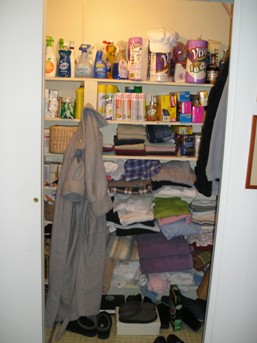
These are actual spaces that cleints have lived in before getting organized.
This is how some people live. No where to put things, or so they think.

Sometimes interior design is not just the task to make spaces pretty, it is to make them organized. Get inspired to make the most of your rooms and spaces.

It is somewhat unfun to have to deal with your stuff. Once you get over the unfun part, you can have an organized home where you can easily find what you are looking for.
This is an example of how I designed an everyday enty.

Julie Fergus, ASID, is a nationally published interior designer. Her studio and showroom is located in Wolfeboro, New Hampshire. Julie's clients are primarily in the Lakes Region and Mount Washington Valley, however, she will travel throughout the state and North East. www.JulieFergus.com | www.DesignByMail.com

Designer Insight

Designing for everyday living is rewarding because it improves the quality of my client’s lives. Whether it is designing a beautiful kitchen, picking the right paint color or organizing a laundry room, it is rewarding to me because it improves lives. My clients don’t know that I obsess about their projects. I want them to be happy and when they second guess my ideas and personalized solutions it saddens me. I try to convey that I look out for their best interest, but I don’t think they really believe that. I don’t feel the need to be right or force a design on a client. I just know what the best design is for their space and budget. But they often don’t listen and get focused on the mainstream or ordinary solutions because that is all that they know.

I have been practicing interior design for 19 years and have had projects published in several national magazines (which is highly competitive). I live what I do and yet clients second guess my concepts and want me to illustrate their one and only idea as the best solution. I read and peruse about 12 shelter magazines a month. I have the latest and greatest design and decorating books. I surf websites for product information and design trends. I attend national trade shows and watch HGTV and DIY often. I can visualize interesting and innovative designs in my head and I am extremely flexible to work out all kinds of ideas for clients. A project can not be totally successful until the client trusts me and is open to new ideas. Otherwise it is just another makeover – nothing special. I can make a space special fabulous and functional to the individual client's lifestyle if they will just allow me.

Country Chic

Do you have a love of fancy things and elegant style, but are more comfortable living in a casual home? Then Country Chic is the perfect solution for you! It can be described several ways:
  • A fine blend of elegant pieces mixed with relaxed and casual accents.
  • Eye-catching fabrics and fixtures alongside simple, unadorned furniture.
  • The mixture of ease with formal elements for the chic edge.
  • Similar to Cottage Style, but more simplified and eclectic.
Country Chic is my personal design style of choice. My best personal example is my dining room, which I use as the visual for this article. It has symmetry mixed with a little whimsy to create a relaxed feeling. The elements of the room are formal: crystal chandelier and lamps, fine china and serving pieces. Yet the twist comes through placing those items with lightly distressed furniture pieces. The furniture is not a set. It is a mixture of pieces painted the same color for structure and mis-matched formal chairs painted and distressed to invite guests to sit.
In my case, my dining room is my favorite room, yet the one that is least used. To remedy that, I brought in a collection of books and current magazines and placed them in neat and orderly piles. This has created a comfortable and attractive spot for me to take a seat and catch up on my reading, clip articles and enjoy a cup of coffee. I am now able to use the room in an entirely new way yet still display some of my favorite "special" pieces. In the end, Country Chic is a wonderful choice for those who love elegance but live in casual comfort. I encourage you to rethink your dining room and your elegant pieces. Dining rooms and fine china should be used. Make them part of your everyday lifestyle.

Julie Fergus, ASID, is a nationally published interior designer. Her studio and showroom is located in Wolfeboro, New Hampshire. Julie's clients are primarily in the Lakes Region and Mount Washington Valley, however, she will travel throughout the state and North East. www.JulieFergus.com | www.DesignByMail.com

Successful Cottage Decor

Visualize the perfect spot to spend time relaxing, reading and sipping coffee in a comfortable cottage setting. Now transform this visualization into a style that says relax. The effect is comfortable and inviting, it is Cottage Style.

We know it when we see it, wood and painted furnishings mixed with muted tones of color, mis-matched chairs around a dining table, formal and casual accents blended together, floral fabrics with ruffle details, vintage lighting and architectural remnants. But how do you begin to create your own cottage style?

The starting point to redecorate your home to suit your taste and lifestyle is a floor plan. This will define what will fit into the space. Don’t rely on keeping every detail in your head; write your ideas and intentions on the floor plan. Once your plan is done, focus on things you love and use that as the inspiration for the color palette and decorating details. A great way to establish a color scheme is to find a fabric that wows you and use that as a guide. Once the floor plan and color scheme is established, go shopping. You will know exactly what you are looking for and can easily make decisions. You will avoid buying furnishings that don’t fit into your space.

The photos highlight a real-life example of cottage style. It is relaxed, not perfect and a place where everyone can be comfortable.

Details that make it cottage style:

  • Soothing shades of blue make a bedroom peaceful. A headboard is made from window shutters with a cute cut-out that are painted and distressed. Vintage chenille bedspreads were made into pillows.
  • Hang a formal crystal chandelier over a well-worn farm wood table and you have instant cottage appeal.
  • For a casual seating area, bring the furniture close together, have a place to put your feet up, place lamps for reading and add tables for beverages.

Have fun while creating your cottage décor and remember to design your home to accommodate your everyday lifestyle.

Julie Fergus, ASID is a professional interior designer. Her shop and design studio is American Home Gallery located at 49 Center Street in Wolfeboro, NH. Julie’s design projects have been published in Country Home, Better Homes and Gardens, Yankee and New Hampshire Magazine. To contact Julie visit her website at www.JulieFergus.com / 603.569.8989

Start a New Décor from Scratch


What’s the starting point to make an empty room suit your taste and lifestyle? I always start with a floor plan. This will define what will fit into the room. From there I focus on one thing you love and use that as the inspiration for the color palette and design style. In this example the inspiration was the watercolor painting. Once the floor plan and color scheme was established, we went shopping. We knew exactly what were looking for and it was easy to make decisions. In the end, the room came together and the client was very happy. It reflects her personal style.

Julie Fergus, ASID, is a nationally published interior designer. Her studio and showroom is located in Wolfeboro, New Hampshire. Julie's clients are primarily in the Lakes Region and Mount Washington Valley, however, she will travel throughout the state and North East. www.JulieFergus.com | www.DesignByMail.com

Create the Ultimate Laundry Room

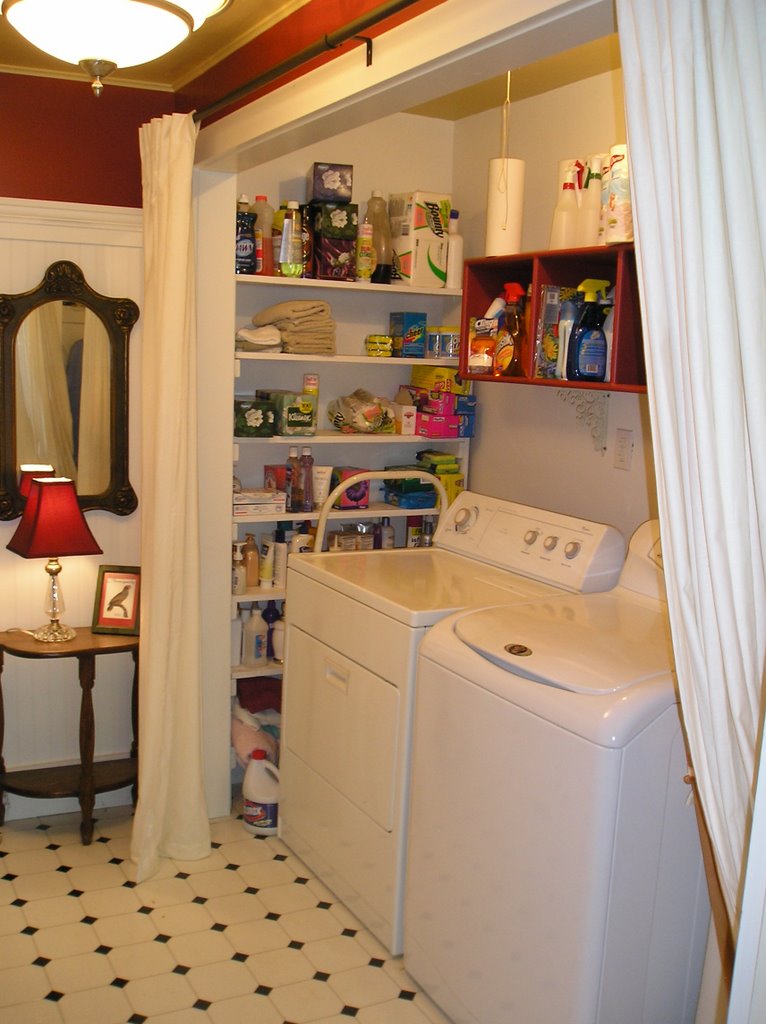
Your laundry room should be as beautiful and organized as the rest of your house. If it is an everyday task (and I bet it probably is) make it a place you will enjoy. Create a colorful scheme, add lots of lighting and make good use of the size. Here is my favorite laundry room project.Why is it wonderful? It is decorated, colorful, functional and still offers room to move.

Treat yourself! Make a laundry room that you love.

Afraid of Color?

Why are you afraid of color? Or why do you think you are clever with color? I have found that people who fall into these categories often have visually unsuccessful spaces. When someone is afraid of color they will be so safe that the spaces are boring and uninteresting. The fear leads to choosing white and off-white colors or very pale tones of colors.

The other end of this spectrum are the people that think they are very clever with color and have it everywhere with no defined execution. A perfect example of this is the use of uncomplimentary colors used in adjacent spaces when they can be seen in the same view.

The solution is to choose a color palette that works for all spaces that are open to each other (spaces without doors). Successful use of color is a theme that is carried through the spaces. Use closed-off and isolated rooms as opportunities for surprise and to highlight your favorite color.

I have oversimplified the color challenge in this post. The point I make is to have an overall consistent color palette and juggle those colors through the spaces. Shy away from the lightest shade on the color card and go toward the middle or darker end. If you need inspiration, find a multi-color fabric you love and pull the color combination from that to define your color plan. Good luck!

In the example below, I illustrate how I started with the color combination from the paint color fan deck and used the colors on different surfaces for a cohesive execution.

Make it Colorful!

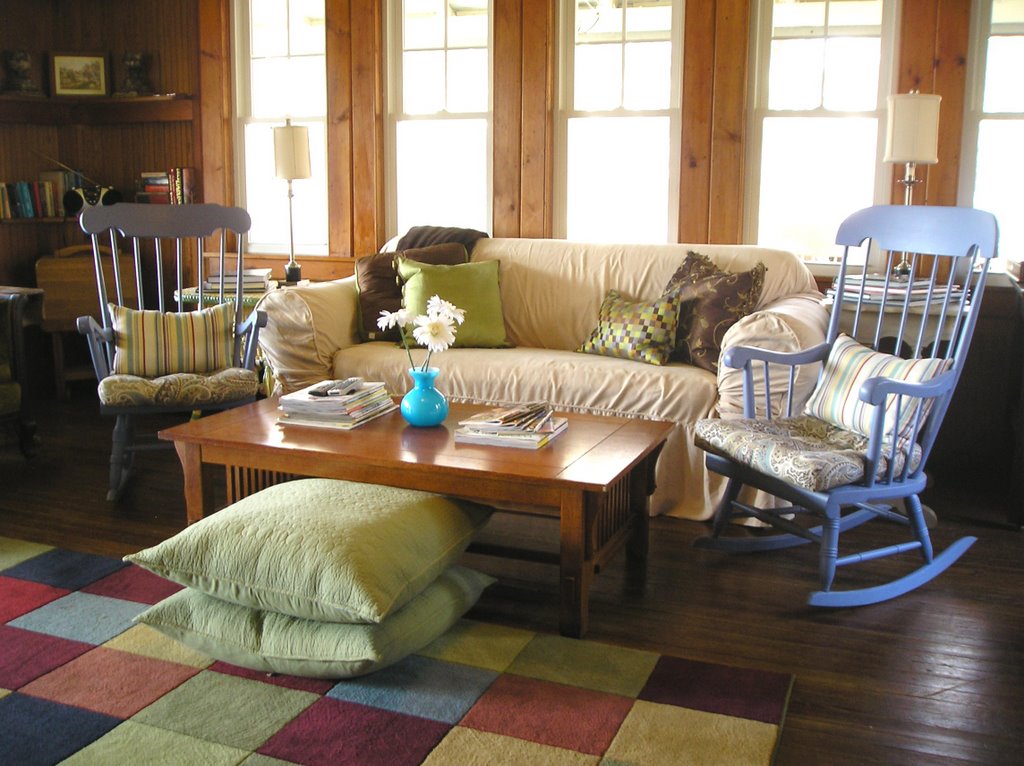
Color makes it fun. In these vacation home projects a relaxed casual style was a must. Using a mix of vintage furnishings with trendy colorful accents I created a spaces that are comfortable on budget. Pillows and slipcovers can be changed seasonally or if the color scheme wants to be changed. It is a cost effective way to enhance and alter your decor.

Design for Everyday Tasks

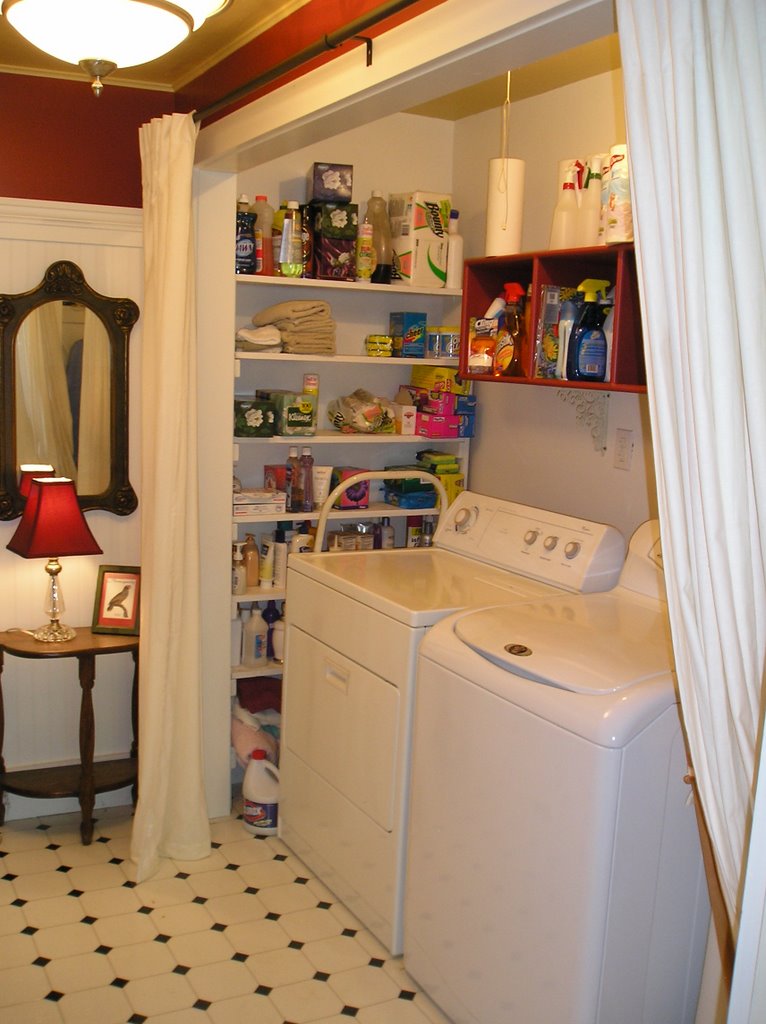
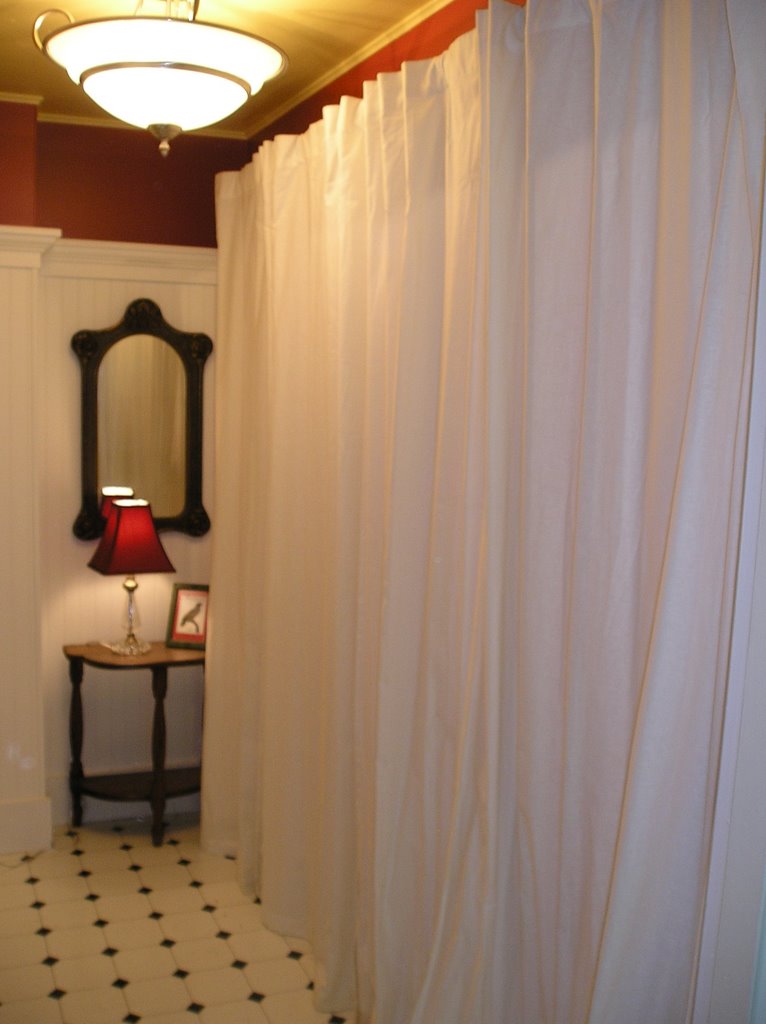
Laundry is an every day task for many families. Create a laundry room that is a nice place to be. In this before and after example. I converted a large closet into a space for the washer and dryer. There is still lots of room for storage. We added color and lighting and now it is a comfortable, accessible and easy place to do laundry everyday.

Make a Great First Impression

A first impression is so important. Your home's main entry is your chance to set the tone for the rest of your interior space. This is critical when marketing a home for sale and welcoming guests to your home. In this home we jazzed up this foyer with color and light. The furniture piece is a vintage server that I modified by removing the drawers and painting inside and out. It offers storage for everyday items and adds interest. The accessories were found at big box retailers. It is successful because it mixes styles and colors so it is interesting and different. We wanted to create a little wow factor without going overboard. Think about how you can change your everyday entry so that it will wow and welcome you home.

Decorate Your Home from Home

In today’s busy world we all have less time to accomplish everything we want to do. Creating a perfect home might always seem to be on the back burner. It doesn’t have to be that way. Make it easy on yourself. Take advantage of the many ways to make your home the way you want it to be, without leaving your home! Build your decorating theme around something you love. Maybe its a color, a collection, artwork, or a piece of furniture. Use that item as the launching pad to define your style. To maximize your budget and time, start with a Design-by-Mail. Right from your computer you can choose your lighting, furniture, paint colors and accessories. I provide you a design plan so you can start your shopping. With a customized design in hand, you can shop on the internet at your leisure. You will save you time and money purchasing the best items to suit your style. Contact your favorite small shops (like mine) and ask for photos of available products. Most shops should be able to email you photos and coordinate delivery or shipping. Through the Design by Mail service, I am available, via email and phone, to consult with you to make the best selections for your project. The most important element of a design project is to be organized and focused to make the right choices. It will all fall into place and the result will be fabulous. You will wonder why you didn’t tackle it sooner. Start today! www.DesignByMail.com Julie Fergus, ASID is a nationally recognized interior designer. Her projects have been published in Better Homes and Gardens, Country Home, Yankee and NH Magazine.

Ultimate Pantries

Don't underestimate the power of an organized pantry. A pantry can help your kitchen work better for your everyday needs. The pantry doesn't have to be a built-in, a cabinet or a closet. It can be a piece of furniture. Let a freestanding piece provide needed storage. Locate the piece near the kitchen. Maybe a nearby hall or adjacent room.

Create a Focal Point

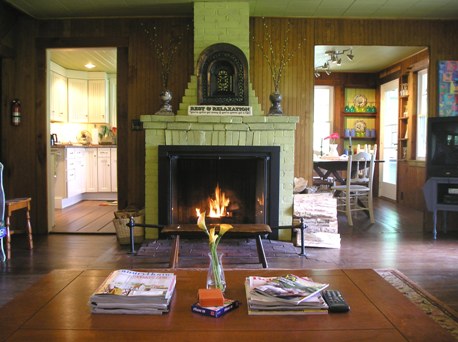
The television and the fireplace have been competing with each other for years. The flat panel has helped to bring the two together. But sometimes it is not always feasibly possible. Here is an example of how the fireplace is the focal point and the television secondary. This works because the wall is a dark color so the black of the television blends in. If the wall were white the television would jump out. So consider a way to visually create the fireplace as the focal point and make the television blend.

Storage Ideas

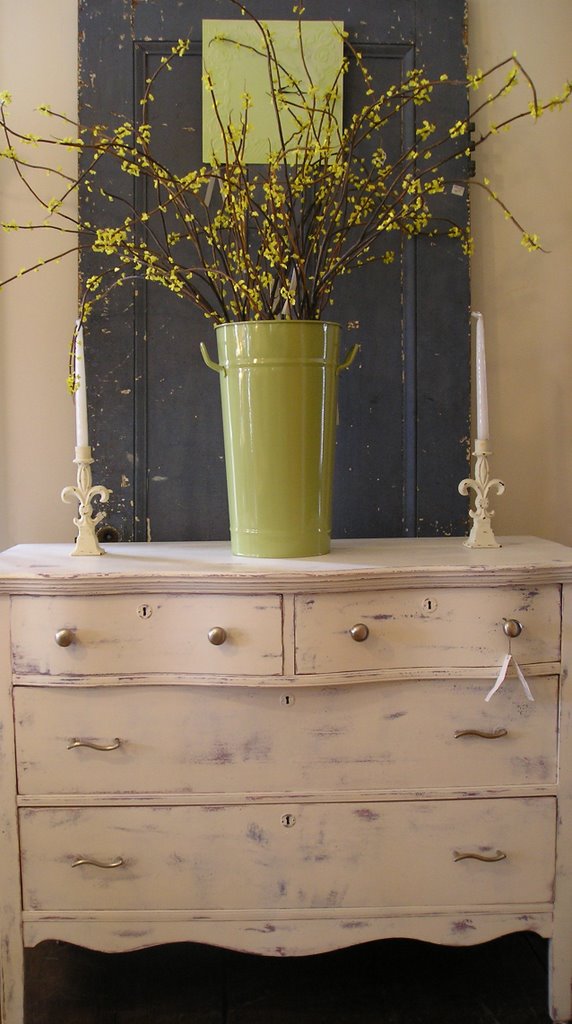
Chests of drawers and dressers do not have to be limited to the bedroom. Incorporate chests into other rooms for all kinds of storage from linens, games, gadgets, compact discs, videos, food, supplies, hats, gloves and so on. This is a great way to have storage along with a surface to display your collections, framed photos and a place for a lamp.
  • Go vertical! Use the walls for storage. By adding bookshelves vertically you will minimize the spread-out factor. Buy the tallest bookcase possible to maximize floor space.
  • Custom made built-in shelves and cabinets in rooms other than just the kitchen may be just what you need. The money spent on this may keep you from a costly addition and renovation. Bookcases in hallways (if there is room) will optimize that space and remove stuff from other rooms.
  • Consider stock wall cabinetry for storage. This is a great idea for home offices. It provides ample concealed space for typical office clutter.

The photo illustrate how furniture can simplify and organize a small space and provide opportunities for color and interest. When you see piles around your house, think of a piece of furniture that you can add to hide and store your clutter and everyday items.

http://www.juliefergus.com

Everyday Entry

Don't underestimate the importance of an organized everyday entrance to your home. This entrance should be neat and functional, making you feel good when you come home. Give coats, keys, mail, shoes, boots and winter-wear items their own place. Coats may be hung on simple hooks with an over-shelf providing storage for smaller items. A coat tree can be an alternative to wall hooks and also provide an interesting vertical element. Attractive baskets on a small table will hold your keys and mail. While removing your coat, a bench is an ideal place to put the grocery bags, purse or briefcase and provides seating while removing boots which can then be stored underneath. In the above home renovation, we devoted a very small amount of space in the kitchen for coats and everyday stuff. We found interesting hooks and built-in the bench with storage beneath it. It is an attractive feature of the room and keeps the stuff contained. Make it easy for your family to keep everyday stuff contained and organized.
Kitchen Basics

Kitchens today are more open to the rest of the home than ever before and can be treated as other rooms by incorporating furniture for storage instead of built-in cabinetry. Furniture is often less costly than cabinetry andprovides the flexibility to change the look of the room more often without a major renovation. Start with the function first then develop the details.

Other quick ideas:

  • Incorporate lamps to soften the lighting.
  • Provide a place for guests to sit when they join you in the kitchen. It will keep them out of your way and will keep you company while you work.
  • Add shelves for cookbooks and displays of dishware; hang pots and pans from the shelf.
  • Put your liquid dish soap in a pretty dispenser and keep on the counter.
  • Put olive oil in a bottle with a spout.
  • Choose durable materials for all surfaces.
  • Bring in a chest for extra storage.
  • Add a small bookcase to stack all of your everyday clutter, like mail, magazines and books to keep the counters clear.

There are many options for kitchen layouts, materials and fixtures. Be sure that you get what you want. Don‚t be swayed by builders, contractors or kitchen showrooms that might try to change your mind. Often, they do this to make it easier for themselves or to up-sell you more products. Knowing what you can afford and exactly what you want will make it far easier to achieve your own unique kitchen.